Immigration Reform

Introduction:
“Out of many, one.” That’s not just our national motto; it’s the story of America itself. But today, that story is at a crossroads.
Right now, 53 million immigrants call America home, that’s one in six Americans. And here’s what might surprise you: three-quarters of them are here legally. They’re your neighbors, your coworkers, the people keeping our economy running.
But our immigration system? It’s broken. Backlogs stretch for years. Families wait in legal limbo. Businesses struggle to find workers. And while we debate, millions of people, many who’ve been here for over a decade, live in the shadows.
Currenlty the Trump administration and Republican Congress are expanding ICE with quotas for deportations and imprisonments. Law-abiding people who have lived in the US for many years are being rounded up and threatened. Many are your neighbors and essential workers.
The question isn’t whether we need change. It’s what kind of change will honor our values while meeting our needs.
Key Observations:
Of the 14 million unauthorized immigrants in America, 6 million have some protected status, they’re awaiting asylum decisions, they have temporary protected status, or they’re DACA recipients brought here as children.
And here’s a fact that challenges the rhetoric: comprehensive studies show that unauthorized immigrants are actually less likely to commit crimes than native-born citizens. These aren’t criminals, they’re people trying to build better lives.
Meanwhile, under the current administration, we’re seeing dramatic shifts. Immigration enforcement spending has ballooned to $185 billion, more than the entire Department of Energy budget. The goal? Three thousand deportations per day. One million per year.
But here’s the thing: deportations alone won’t fix this. We need comprehensive reform that addresses the root causes.
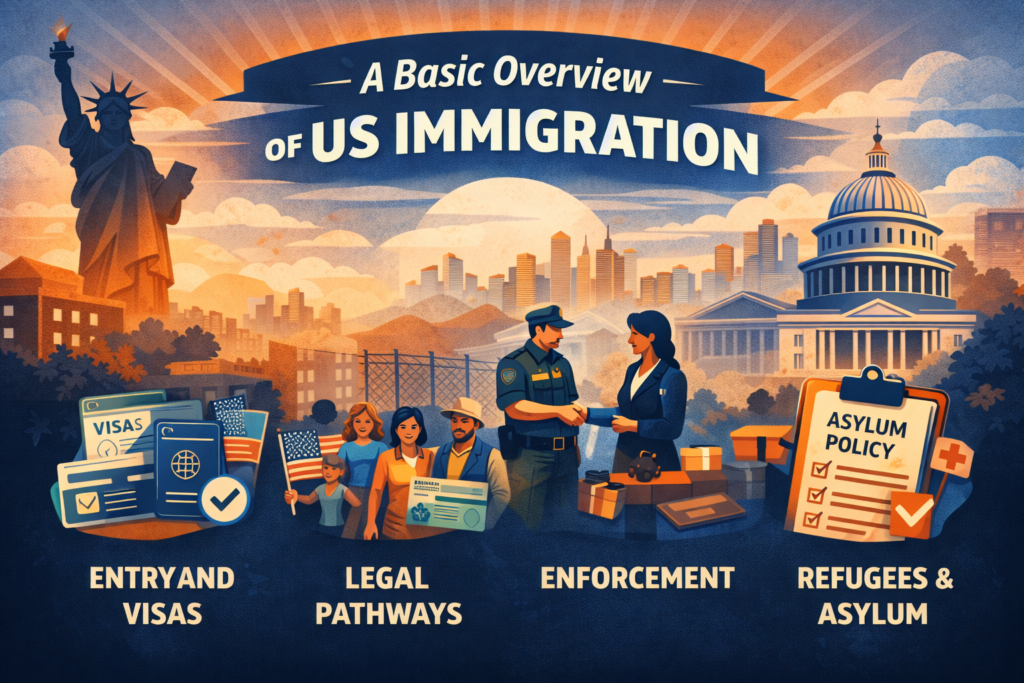
Here is a quick look at the US immigration situation.
As of January 2025, there were 53.3 million immigrants in the US, representing about 16% of the US population.
Using 2023 data, about 75% of immigrants were legal residents in the US. The remainder were unauthorized.
The last 25% are termed Unauthorized Immigrants, about 14 million people.
75% of the unauthorized immigrants have been in the US for at least 10 years.
According to a comprehensive study in Texas, unauthorized immigrants are significantly less likely to engage in criminal conduct.
……………………………………………………….
Various new changes under President Trump and the Republican Congress.
New focus of resources on deportations.
Dramatic increase in ICE funding to $30 billion in FY 2026.
Total immigration enforcement spending reaches approximately $185 billion (more than the Department of Energy), including:
- Over $45 billion for the border wall.
- $45 billion for detention facilities
Goal of 3,000 deportations per day, 1 million per year.
More focus on meeting quotas than just targeting criminals.
Below is Project RAD’s plan for Immigration Reform
📘 Strong Border Security and Management
🎯 Objective:
Ensure a secure, functional border that upholds U.S. laws and values.
✅ Key Actions:
- Modernize Border Infrastructure and Technology
- Increase Personnel and Improve Working Conditions
- Create an Orderly Processing System
- Manage Surges and Emergency Authorities
- Address Root Causes and Regional Cooperation
- Combat Smuggling and Trafficking Organizations
- Balance Security with Trade and Travel
📘 Asylum System Reform
🎯 Objective:
Create a clear and workable system of asylum reform.
✅ Key Actions:
- Expand Adjudication Capacity
- Address Asylum Misuse While Protecting Legitimate Refugees
- Provide Legal Representation and Information
- Prioritize Cases and Manage the Backlog
- Integrate Technology and Data Systems
📘 Legal Immigration Pathways and Visa Reform
🎯 Objective:
Make immigration policy work for national prosperity and global leadership.
✅ Key Actions:
- Expand Employment-Based Immigration
- Reform H-1B and Protect Workers
- Expand Opportunities for STEM Graduates
- Reform the Agricultural Worker Programs
- Expand the Healthcare Workforce Programs
- Improve the Family Reunification Programs
- Expand Startup and Entrepreneurship Visa Programs
- Increase Transparency and Reduce Processing Times
📘 Undocumented Population and Enforcement
🎯 Objective:
Integrate unauthorized immigrants who contribute to the economy and society, especially Dreamers and long-term residents.
✅ Key Actions:
- Earned Legalization Programs
- Prioritize Enforcement
- Reform Worksite Enforcement
- Protect Due Process and Provide Legal Representation
- Addressing Mixed-Status Families
- Use Data-Driven Enforcement
📘 Solutions for Congressional Action and Long-Term Reform
🎯 Objective:
Congress should address immigration reform as a comprehensive package, rather than piecemeal.
✅ Key Actions:
- Fund Immigration System Capacity
- Pass Comprehensive Legislative Package
- Encourage Regional and International Cooperation
- Support Economic Integration and Social Cohesion
- Address Future Challenges
- Support Public Education and Communication
- Plan for Contingency
- Implementation and Accountability
TAKE ACTION – Contact Congress
(How to contact Congress) click here
Congressional Committees That Oversee Immigration

🔹 Senate Committee on the Judiciary
The main Senate committee for immigration law and policy.
-
Jurisdiction includes:
-
Immigration reform legislation
-
Visa programs (family, employment, student, humanitarian)
-
Citizenship and asylum laws
-
Oversight of immigration courts and federal immigration agencies
-
Relevant Subcommittee:
-
Subcommittee on Immigration, Citizenship, and Border Safety
🔹 Senate Committee on Homeland Security and Governmental Affairs
-
Focuses on border security, visa policy implementation, and federal agency coordination.
🔹 Senate Committee on Appropriations
-
Subcommittee on Homeland Security
-
Controls federal spending for DHS immigration-related functions (e.g., ICE, CBP, USCIS).
-

🔹 House Committee on the Judiciary
The primary committee responsible for immigration policy.
-
Jurisdiction includes:
-
Immigration and nationality laws
-
Border security legal frameworks
-
Refugee and asylum policy
-
Citizenship and naturalization
-
Oversight of immigration enforcement agencies (USCIS, ICE, CBP)
-
Relevant Subcommittee:
-
Subcommittee on Immigration Integrity, Security, and Enforcement
-
Reviews immigration reform proposals, visa policy, and enforcement practices.
-
🔹 House Committee on Homeland Security
-
Focuses on operational aspects of immigration enforcement.
-
Jurisdiction includes:
-
Border security
-
U.S. Customs and Border Protection (CBP)
-
U.S. Immigration and Customs Enforcement (ICE)
-
Visa security and entry-exit tracking
-
🔹 House Committee on Appropriations
-
Subcommittee on Homeland Security
-
Controls funding for immigration agencies like ICE, CBP, and USCIS.
-